Grant-making
The truth about alcohol, how it impacts families and the power of recovery
The 6–12 July marks Alcohol Awareness Week – a national campaign led by Alcohol Change UK. It’s a chance to reflect, have honest conversations, challenge stigmas and raise awareness of the truth about alcohol and how it impacts our health, wellbeing and family life.
Alcohol is woven into our everyday lives and in the UK we are surrounded by a casual drinking culture. It can therefore be easy to forget the impact alcohol can have on our physical and mental health, relationships, work and family life.
The impact of alcohol on our physical and mental health
Of course, alcohol is bad for our physical health with it increasing the risk of numerous health conditions including liver disease, cardiovascular problems, several forms of cancer, high blood pressure, a weakened immune system and unwanted weight gain.
Whilst it is widely considered to help us relax, drinking alcohol is also detrimental to our mental wellbeing. Those who drink are more likely to develop mental health problems and regular or excessive drinking is linked to:
- Increased anxiety and depression
- Mood swings and irritability
- Sleep disruption and fatigue
- Reduced concentration and memory
- Greater risk of self-harm and suicidal thoughts
Drinking small amounts can be done with a low level of risk but many of us are unwittingly drinking more than we should and for some, alcohol addiction has become a silent battle.
Recognising an addiction to alcohol
Alcohol addiction can go undetected for years – it is not always obvious and the amount we drink can increase slowly over time and lead to a cycle where poor mental health, stress and anxiety lead to drinking more and drinking more leads to these issues worsening.
Signs that you or someone else could be struggling with addiction include:
- Loss of control of the amount or frequency of drinking alcohol
- A craving for alcohol which can be intense and difficult to ignore
- Building a tolerance to alcohol and needing more to achieve the same effect
- Experiencing physical or emotional withdrawal symptoms
- Prioritising drinking and neglecting responsibilities
- Alcohol is interfering with daily activities, routines and relationships
- Continued drinking despite negative consequences
- Withdrawal from social activities, hobbies and previous interests
- Feelings of isolation, guilt and shame
- Failed attempts to quit or cut down
- Experiencing mood swings
- Deterioration of physical and/or mental health
- Spending a significant amount of time thinking about alcohol, drinking alcohol and recovering from the addictive behaviour
The summer months can sometimes make dealing with an addictive behaviour even harder to face. More socialising, more parties, more sunshine – all excuses to drink more alcohol. It’s a particularly difficult time to cut back or quit but if you recognise that you or a loved one is struggling, it’s important to seek support.
The toll of addiction on families and children
Alcohol misuse rarely impacts just one person. Families affected by addiction often face a range of challenges. The uncertainty, anxiety and neglect experienced by children in these families can cause long-term mental health challenges that follow them through to adulthood. Under these circumstances, children often face being put in the care system – Cumbria Addictions: Advice & Solutions (CADAS) provides support to the whole family unit and importantly, aim to keep families together. This is almost always the best outcome for a child.
How does the CADAS Family Service provide support?
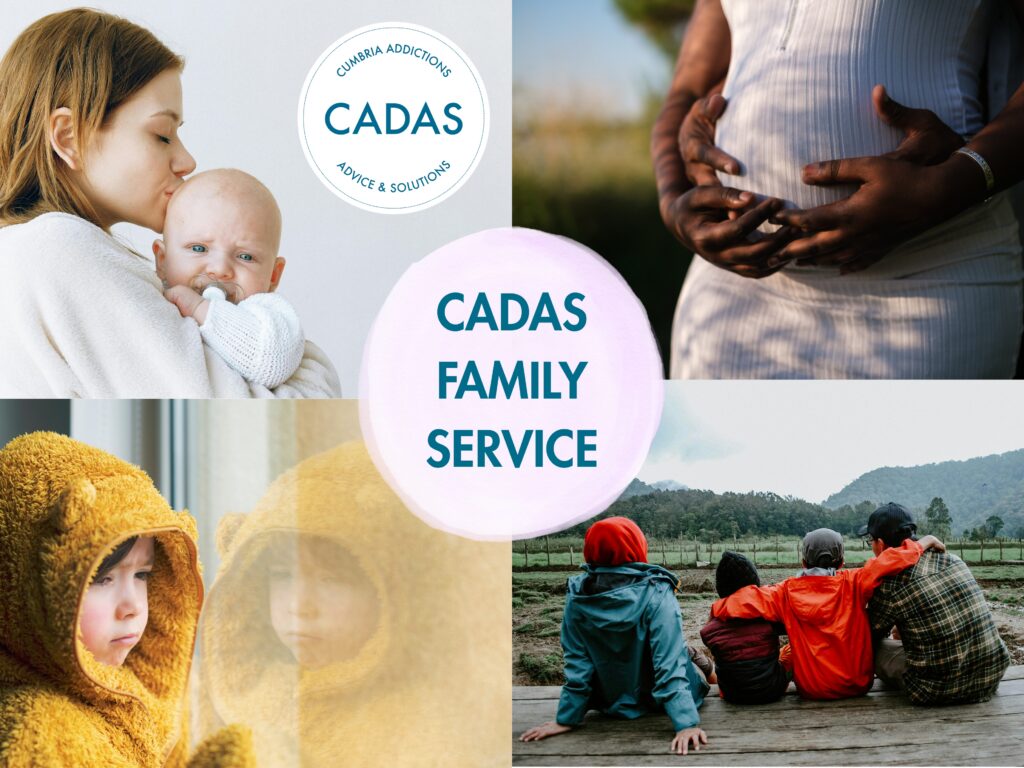
The CADAS Family Service works directly with parents, carers and children whose lives are affected by addiction. CADAS provides personalised one-to-one support, helping parents to build confidence and resilience and children to develop confidence and emotional understanding. This early support helps prevent challenges escalating into crisis.
CADAS is a lived experience charity working with people affected by addiction across the county of Cumbria. Building trust with families is key and having first-hand experiences of addiction helps people be open and honest without fear of judgement.
CADAS service users have said:
“Through working with CADAS, I have learned to deal with my feelings, rather than turning to alcohol.”
“The way you both knew what you were talking about, that you’ve got lived experience – you just got it. Everyone else doesn’t get it.”
“We can teach our kids that they don’t need alcohol as part of their daily routine – something that I wish I’d had.”
“We no longer drink any alcohol and our lives have changed so much, for the better.”
“You helped me to stop drinking and to see the world in a better way, not just for me but for our kids too.”
The ‘alcohol harm paradox’
Although on average, people on lower incomes do not drink more than those on a higher income, the impact of harmful drinking is much greater for those in the lowest income bracket. Known as the ‘alcohol harm paradox’, this phenomenon is thought to be linked to the relationship between drinking alcohol and other health factors – including nutrition, fitness, smoking status and lack of access to healthcare.
Many families across Cumbria are living in poverty and in East Cumbria a significant number of communities that are in the lowest 15 per cent in terms of deprivation such as in Carlisle where 63 per cent of households are deprived in Botcherby and Harraby (2021 Census). The Eden Valley in Penrith has high levels of rural deprivation due to poor transport links, limited investment in technology infrastructure, high housing costs and low paid employment.
How the Freemasons’ Charity is supporting East Cumbrian families
Funding from the Freemasons’ Charity has made the work that the CADAS Family Service do possible in East Cumbria. Pioneered by a successful family service in the west of Cumbria, CADAS is now able to provide much needed support to more families struggling with addiction. The funding has specifically enabled families to access one-to-one sessions, parenting programmes and practical guidance to strengthen relationships.
Get in touch:
Helpline: 0800 254 5658 (available weekdays 9am-5pm)
Email: contact@cadas.co.uk